Albuquerque has quietly become one of the more practical markets for real estate investors in the Southwest. Prices have stayed stable, rental demand remains consistent, and the city has largely avoided the sharp swings that hit larger metros over the past few years. This makes Albuquerque Real Estate Investing a solid choice, but what type suits you?
If you are looking at the Albuquerque real estate market as an investment, the question is not whether the market supports it. The question is which strategy actually fits your goals, your timeline, and how hands-on you want to be.
Here is a straightforward breakdown of the most common types of real estate investing in Albuquerque, what each one looks like in practice, and what the numbers actually say right now.
Why Albuquerque Makes Sense for Investors
Investors typically look for three things: demand, affordability, and a reasonable path to returns. Albuquerque delivers on all three, without the extreme competition you find in markets like Denver or Phoenix.
Who Is Driving Rental Demand in ABQ
The city’s economic foundation is broad and stable. Major demand drivers include:
- Kirtland Air Force Base: military families and civilian contractors cycling through the metro year-round
- Sandia National Laboratories: high-earning professionals who rent before buying or prefer flexibility
- University of New Mexico: students, staff, and faculty creating steady demand near the UNM corridor
- Healthcare sector: one of the largest and fastest-growing employment segments in the city
- Film industry: New Mexico’s aggressive film tax incentives have made Albuquerque a major production hub, bringing a steady flow of cast, crew, and production staff who need short and mid-term housing
That mix matters because it creates demand across multiple price points and neighborhoods, not just in one pocket of the city, for both renting and selling opportunities.
Long-Term Buy and Hold
For most first-time investors, buying a property and renting it out long-term is where the strategy starts. Rental demand is strong across multiple neighborhoods, driven by the same economic anchors that make Albuquerque stable: Kirtland, Sandia Labs, UNM, and a growing base of remote workers and healthcare professionals.
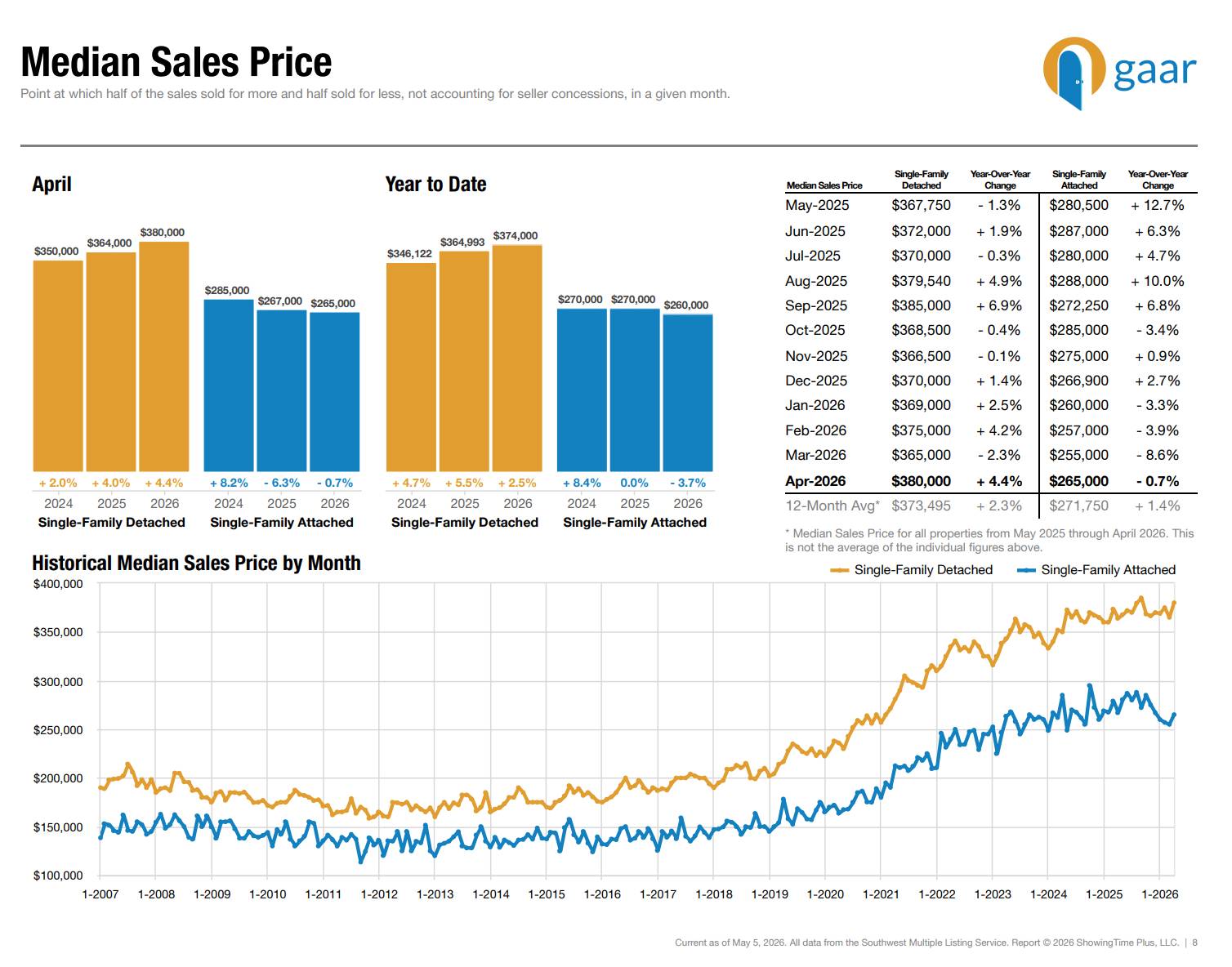
With a median detached price of $380,000 and single-family rents ranging from $1,700 to $3,500 per month, the cash flow math requires careful underwriting. Strong deals exist here, but they reward investors who run real numbers rather than assuming appreciation will carry the strategy.
Buy and Hold May Work Well For Investors Who
- Want passive monthly income without frequent buying and selling
- Prefer stable, longer-term tenants are common in the Northeast Heights and Westside
- Are comfortable with a longer payback horizon in exchange for lower risk
- Want to hold an appreciating asset in a supply-constrained market
House Flipping
Flipping means purchasing a distressed or underpriced property, renovating it, and selling for a profit, typically within six to twelve months. It is more like running a business than a passive investment, but the upside can be meaningful when you find the right deal.
Where Flip Opportunities Still Exist in ABQ
Albuquerque has pockets where fixer-upper opportunities show up. Areas worth watching include:
- Northeast Heights: older sections with dated finishes but solid bones and strong resale demand
- Nob Hill: high-demand location with walkability premium; renovated bungalows and casitas can command strong resale prices
- Uptown: centrally located with consistent buyer interest; properties near retail and employment corridors tend to move quickly after renovation
What to Watch Before You Flip
- Purchase price relative to after-repair value (ARV)
- Holding costs during renovation, including financing, taxes, and utilities
- Contractor availability and labor costs, which have risen in ABQ
- The realistic price ceiling for that specific neighborhood
Check out our detailed guide on Flipping Houses in Albuquerque.
The BRRRR Method
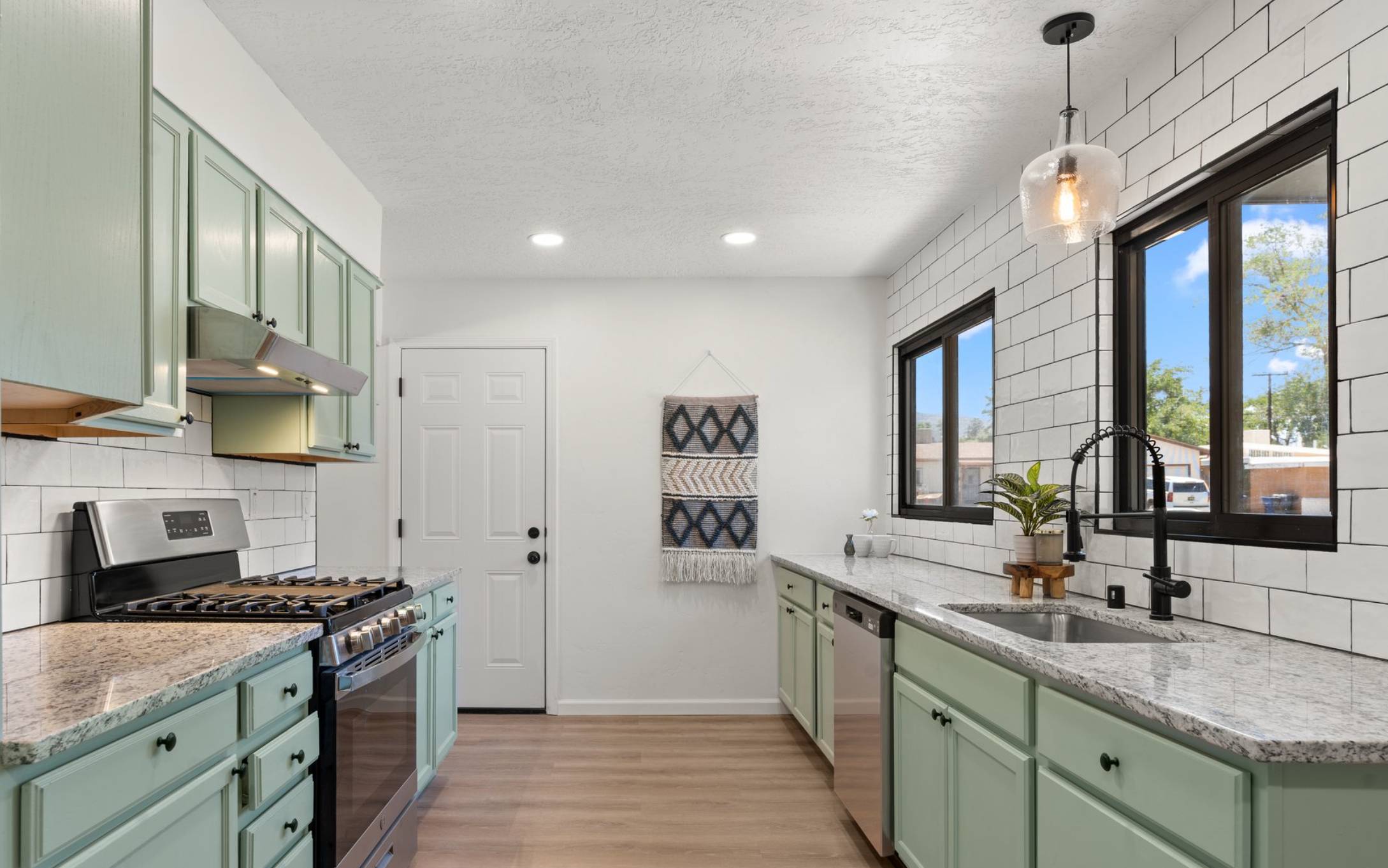
BRRRR stands for Buy, Rehab, Rent, Refinance, Repeat. It has gained traction among investors who want to grow a rental portfolio without putting a full down payment into every new property. The idea is that you buy a distressed home at a discount, renovate it, rent it out, then refinance based on the new appraised value and use the pulled cash to fund your next purchase.
How the Cycle Actually Works
Each step builds on the last. Done correctly, one property can fund the next:
- Buy: acquire a distressed property below market value
- Rehab: renovate to increase appraised value and attract quality tenants
- Rent: stabilize the property with a paying tenant before refinancing
- Refinance: pull cash out based on the new appraised value, not what you paid
- Repeat: use that cash as the down payment on your next deal
What Can Go Wrong
The refinance step is where the strategy most often breaks down. Go in knowing these risks:
- Seasoning requirements: most lenders require six to twelve months of ownership before a cash-out refinance
- Appraisal risk: the amount you pull out depends entirely on the post-renovation appraised value, not your estimate
- Rehab overruns: if costs run over, your equity position shrinks, and the refi may not return enough to repeat the cycle
- Optimistic ARV: overestimating after-repair value is the most common reason BRRRR deals fall apart
This strategy rewards meticulous planning before purchase, not adjustments after the fact.
Small Multifamily: Duplexes, Triplexes, and Fourplexes
Small multifamily properties, anything from a duplex up to a fourplex, occupy a practical middle ground for Albuquerque investors. You get multiple income streams from a single transaction, and financing is still treated as residential for properties with four units or fewer, which keeps rates and down payment requirements far more manageable than commercial lending.
Why Investors Choose Small Multifamily
It is not the flashiest strategy, but it solves several problems at once:
- Multiple income streams: one vacancy does not eliminate all your cash flow
- Residential financing: four units or fewer qualifies for conventional loan terms
- Lower barrier to entry: attached properties median at $265,000 in April 2026, well below the $380,000 detached median
- Built-in house hacking potential: live in one unit, rent the others to offset your mortgage
What the Numbers Look Like
- Median attached sale price: $265,000 (April 2026, flat year over year)
- Typical ABQ single-family rents: $1,700 to $3,000 per month depending on size and location
- Units per property: two to four, each generating independent rental income
For a deeper look at this specific strategy, check out our post on buying a duplex or fourplex in Albuquerque.
Short-Term Rentals
Albuquerque’s proximity to Petroglyph National Monument, Old Town, the Sandia Mountains, and the Balloon Fiesta grounds creates genuine short-term rental demand. Neighborhoods near Nob Hill, Old Town, and the North Valley have produced strong seasonal occupancy for well-maintained properties. This strategy can generate higher gross income than long-term rentals in the right location — but it comes with more moving parts.
Before purchasing a property for short-term rental use, verify current zoning rules for that specific address and confirm what permits are required. Albuquerque’s regulatory environment for STRs continues to evolve.
What to Factor Into Your Numbers
- Property management fees: typically 20 to 30% of gross revenue for full-service management
- Turnover cleaning, furnishings, and platform fees: costs that add up quickly and eat into gross income
- Seasonal vacancy: demand is not consistent month to month; budget accordingly
- Investors who treat short-term rentals like a hospitality business tend to do significantly better than those who expect it to run itself.
Investors who treat short-term rentals like a hospitality business tend to do significantly better than those who expect it to run itself.
Things Worth Thinking Through Before You Invest
- What is your realistic monthly cash flow after all expenses, not just the mortgage?
- How long do you plan to hold the property?
- How hands-on are you willing to be with tenants and maintenance?
- What neighborhoods match the strategy you are pursuing?
- Do the numbers work today, without relying on future appreciation?
Which Strategy Fits Your Goals?
No single investment strategy is right for everyone. The best fit depends on your available capital, how active you want to be, what your timeline looks like, and whether you want monthly cash flow, a lump-sum profit, or long-term equity growth.
If you are comparing options or want to look at what a specific property could realistically produce in Albuquerque, Better with Baron can walk you through the local data and help you find properties that match your investment goals.
Ready to explore investment opportunities in Albuquerque? Contact Better with Baron to get started.