ABQ’s Oldest Streets Still Have Some of the Best Bones in the City
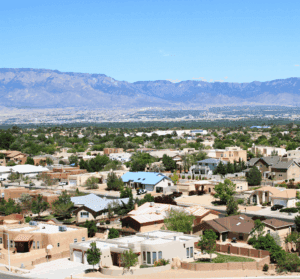
Albuquerque has been around long enough to have real history, not just the kind displayed in a museum, but the kind you can actually live in. Some of the most character-rich homes in the city sit in neighborhoods that were platted before New Mexico was even a state. For buyers who are looking at Albuquerque historic neighborhoods, expect to find story, texture, and architectural detail you simply can’t replicate with new construction. We’ve compiled some of Albuquerque’s neighborhoods that deserve a serious look if a rich historic home is what you’re looking for.
That also means understanding what comes with the territory. Historic districts in ABQ carry a specific set of rules, and knowing them upfront makes the whole process a lot smoother.
The Historic Neighborhoods Worth Knowing
Old Town
Old Town is the original heart of Albuquerque, settled in 1706 and still one of the most visually striking parts of the Duke City. Adobe architecture, thick walls, and portales line the plaza area, and homes here range from restored casitas to larger properties with interior courtyards and mature landscaping.
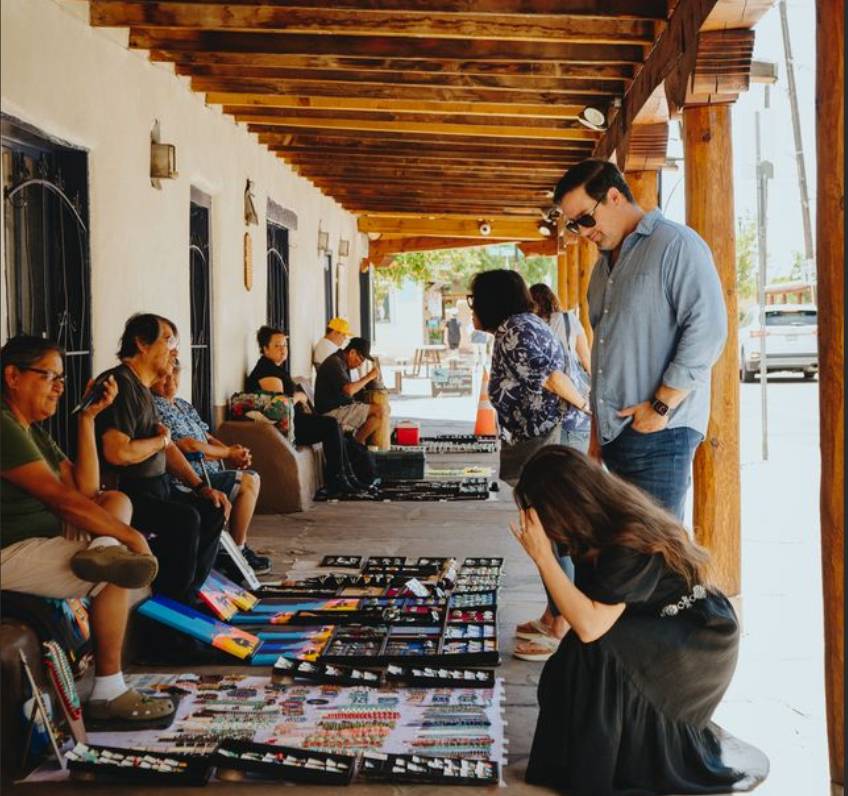
It’s a tight inventory market. Properties don’t come available often, and when they do, they tend to attract buyers who know exactly what they want.
- Architecture: Authentic New Mexican adobe, territorial, and Spanish Colonial styles
- Vibe: Historic, walkable, deeply rooted in Burque culture
Location perks: Steps from the Bosque trail, Rio Grande Nature Center, and Old Town Plaza - Best for: Buyers who want something genuinely one-of-a-kind with strong long-term value
Huning Highlands
Huning Highlands is ABQ’s first subdivision developed in the railroad era of the 1880s, and it shows in the best possible way. Victorian and Queen Anne homes from the late 19th and early 20th centuries define the streetscape, many featuring detailed woodwork, original stained glass, and period elements that are rare finds in any market.
The area has seen significant revitalization and sits close to Downtown, Nob Hill, and the University area, making it a genuinely convenient place to live, not just a pretty one.
- Architecture: Victorian, Queen Anne, brick railroad-era construction
- Vibe: Artsy, walkable, quietly revitalized
- Location perks: Easy access to central ABQ, Nob Hill dining, and UNM
- Best for: Buyers who want historic character with real urban convenience
Barelas
One of Albuquerque’s oldest neighborhoods, Barelas features early 20th-century architectural styles, including Territorial Revival and bungalows, with deep cultural roots and ongoing revitalization. It’s a neighborhood with a strong sense of community identity, and buyers who invest here tend to believe in where it’s headed.
- Architecture: Territorial Revival, craftsman bungalows, early adobe
- Vibe: Culturally rich, community-driven, on the rise
- Location perks: South of Downtown along the river, direct access to the Paseo del Bosque trail
- Best for: Buyers and investors drawn to neighborhoods with strong community ties and long-term upside
Nob Hill
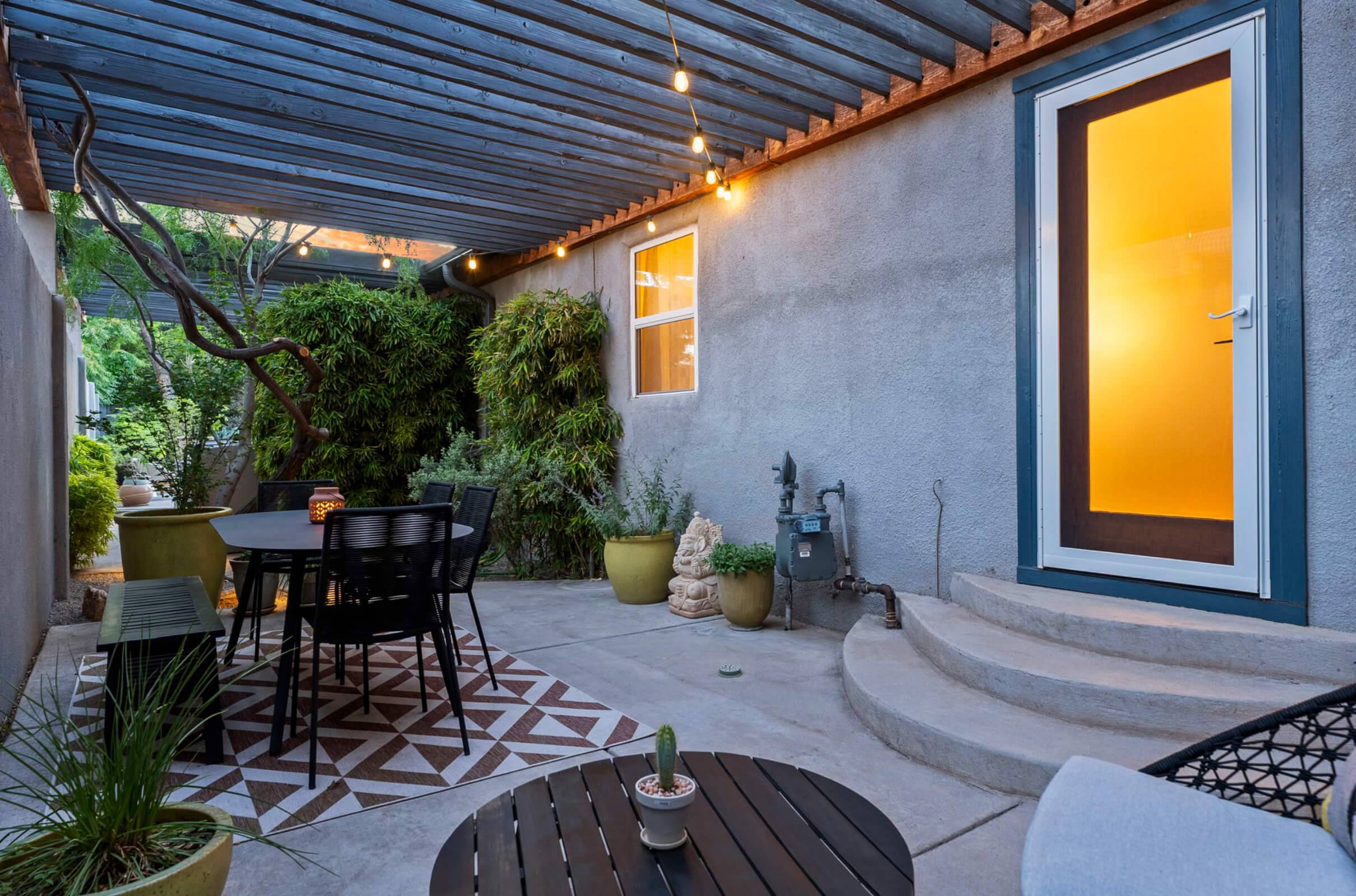
Nob Hill, along historic Route 66, is walkable, creative, and full of mid-century architecture with preserved neon signs and locally-owned shops and restaurants you can actually walk to. Some sections of Nob Hill are designated historic overlay zones, which means the neighborhood’s character is actively protected.
- Architecture: Mid-century modern, 1940s–50s bungalows, Route 66-era ranch homes
- Vibe: Eclectic, walkable, the most “neighborhood-y” feel in Duke City
- Location perks: Steps from Nob Hill’s restaurant row, coffee shops, boutiques, and Expo New Mexico
- Best for: Buyers who want a lively, walkable lifestyle with a genuine ABQ personality
What the Historic Overlay Zone Actually Means for Buyers
Buying in a historic district comes with one key rule to understand up front. Specific neighborhoods in ABQ (Old Town, Huning Highland, 4th Ward, 8th Street/Forrester, Silver Hill, and Nob Hill) fall within a Historic Protection Overlay Zone.
Before making any exterior changes, homeowners must receive a Certificate of Appropriateness from the City.
That includes:
- Replacing windows or doors
- Painting contributing structures
- Adding or modifying fences
- Changes to rooflines or exterior materials
Interior renovations are generally not restricted, so you can fully modernize the inside while keeping the outside intact. For most buyers drawn to these neighborhoods for their character, it’s a fair trade. It also protects your investment by maintaining consistency in the surrounding properties.
The Real Upside of Buying in a Historic Neighborhood
Beyond the aesthetics, there’s a practical case for homes in Albuquerque Historic Neighborhoods. Properties in well-preserved historic districts tend to hold value well over time, partly because supply is limited by definition, you can’t build new homes in Old Town, and Huning Highlands isn’t getting any bigger.
There’s also a federal historic tax credit available for income-producing properties in nationally registered districts, which is worth exploring if you’re considering a mixed-use property or rental. And the State of New Mexico offers its own preservation incentives for qualifying properties. If any of that applies to your situation, it’s worth a conversation with a tax advisor before you close.
What to Watch for in a Historic Home Inspection
Older homes have older systems, and that’s not a reason to walk away, but it is a reason to go in with eyes open. A few things that come up often in historic ABQ homes:
- Original adobe or brick construction: can be incredibly durable, but needs appropriate moisture management
- Plumbing and electrical: may be original or partially updated; a thorough inspection matters here
- Windows and roofing: replacement options in overlay zones may be limited to historically compatible materials
- Foundation systems: Older homes in the Downtown area can have pier-and-beam or rubble foundations worth evaluating
None of these is a dealbreaker. A good inspector who has worked on older ABQ homes will know what to look for and what’s normal versus what needs attention before you commit.
Ready to Explore What’s Available?
Homes in Albuquerque Historic Neighborhoods don’t sit on the market long, especially in Huning Highlands and Old Town. Want to know what’s currently available in any of these neighborhoods? We can give you a straightforward answer about what a specific property’s overlay zone status means. Reach out to the Better with Baron team today!
Get in Touch