

What It Costs to Live in Albuquerque in 2026
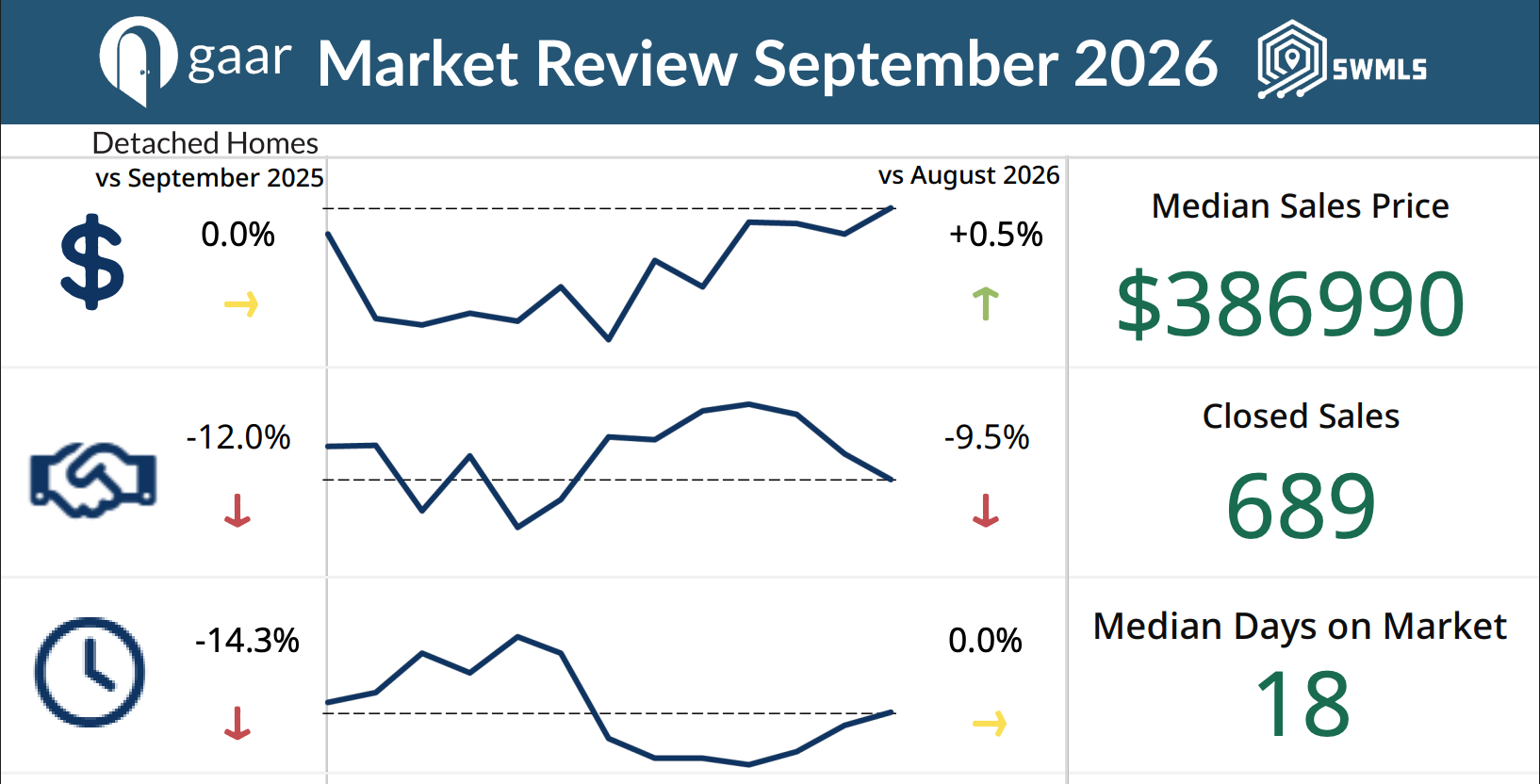
The Albuquerque cost of living runs about 3% below the national average overall, and the savings show up most in housing. The typical detached home in the metro sold for $386,990 in the third quarter of 2026, roughly $36,000 under the national single-family median, and apartment rents average about 21% less than the national figure.
ABQ at a glance: $386,990 median sale price for detached homes in Q3 2026, up 2.1% from a year earlier (GAAR / Southwest MLS).
Those headline numbers are a good start, but a budget is more than one number. Here is how housing, utilities, taxes, and everyday costs actually stack up in Burque, whether you are relocating, renting for the first time or weighing a move across town.
The Albuquerque Cost of Living at a Glance
The Council for Community and Economic Research (C2ER) publishes one of the country's most widely used cost-of-living indexes. Its latest figures, published in March 2026, put ABQ slightly below average overall, with a few categories doing most of the work:
-
Overall: about 3% below the U.S. average
Housing: about 9% below the U.S. average
-
Utilities: about 16% below the U.S. average
That 3% might sound modest. It is an average, though, and housing is the largest expense for most households. That is where Albuquerque stands out most when you compare it with Phoenix, Denver, or most of California.
Housing: The Biggest Line in Your Budget
According to GAAR's market statistics, the metro detached median was $386,990 in Q3 2026. Within Albuquerque city limits (MLS areas 10 to 121), the median was $380,000. For comparison, the National Association of REALTORS® reported a $422,700 national median for existing single-family homes in September.
The market itself is steady rather than frantic. In September, homes sold in a median of 18 days, and inventory reached 3.3 months of supply. Months of supply is how long it would take to sell every listed home at the current sales pace. A higher number means buyers have more homes to choose from and a little more room to negotiate.
Price ranges vary a lot across the city. A Westside starter home and a foothills property with Sandia views live in very different budgets, so our neighborhood-by-neighborhood price breakdown is the best way to see what your number buys. For month-to-month changes, check our latest market updates.
What a Mortgage Payment Looks Like Here
Rates matter as much as price. Freddie Mac's weekly survey put the average 30-year fixed rate at 7.18% on November 5, down for the third week in a row. Here is what that means on a typical home with 5% down:
ABQ median ($386,990): about $2,491 a month for principal and interest
-
U.S. single-family median ($422,700): about $2,720 a month for principal and interest
That is roughly $229 a month, or about $2,750 a year, staying in your pocket at the same rate and down payment. Property taxes, homeowners insurance and any mortgage insurance come on top of those figures, so your lender's full estimate will be higher.
Renting in Albuquerque
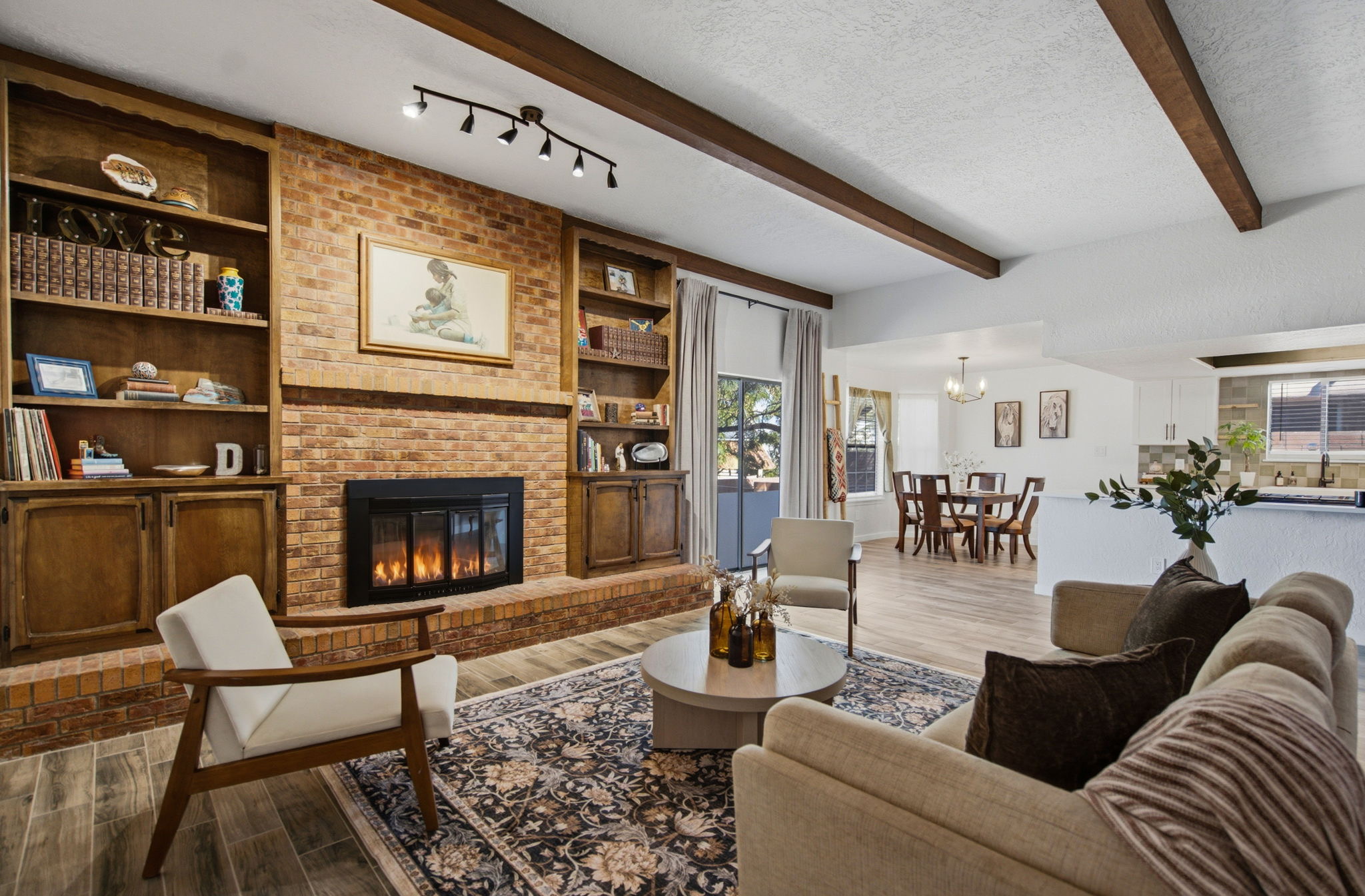
Renters see some of the biggest savings in the Albuquerque cost of living. RentCafe's data shows the average apartment rent at $1,387 a month as of July 2026, about 21% below the U.S. average of $1,750. Single-family homes for rent cost more than apartments, and rents vary widely by area and building age. Our look at the ABQ rental market covers what rents mean for renters and investors right now.
Utilities: Sun, Swamp Coolers and Steady Bills
The C2ER index puts ABQ utilities about 16% below the national average. A few local factors help:
Electric rates: PNM is the main electric utility in Albuquerque. Its most recent approved rate increase added about $6.23 to the average residential bill in July 2025, then another $6.23 on April 1, 2026.
-
Cooling: many homes still use evaporative coolers, often called swamp coolers. They typically use less electricity than refrigerated air, though more homes now have refrigerated air for the hottest weeks of summer.
Heating: winter nights get cold, but long deep freezes are rare, and natural gas heats most homes.
When you tour a home, ask the seller or landlord for a year of utility bills. It is the most accurate way to see what a specific house costs to run.
Taxes: Lower Than Many People Expect
Taxes are where many newcomers find the Albuquerque cost of living most pleasantly surprising. The figures below are general information, so check with the New Mexico Taxation and Revenue Department or a CPA about your own situation.
Gross receipts tax: New Mexico uses a gross receipts tax instead of a traditional sales tax. Inside Albuquerque city limits, the combined rate is 7.625%. Most groceries and prescription drugs are exempt.
-
State income tax: New Mexico has six brackets for 2026, from 1.5% to 5.9%. The top rate applies only to taxable income over 210,000forsinglefilers(315,000 for married couples filing jointly). There is no city income tax.
Social Security: benefits are exempt from state income tax for single filers with adjusted gross income up to $100,000 and joint filers up to $150,000.
-
Property tax: Bernalillo County bills are based on one-third of a home's assessed value multiplied by the local mill rate. In practice, bills in Albuquerque often land a little under 1% of market value per year. Our guide explains how your property tax bill is calculated, including exemptions.
Everyday Costs in the Duke City
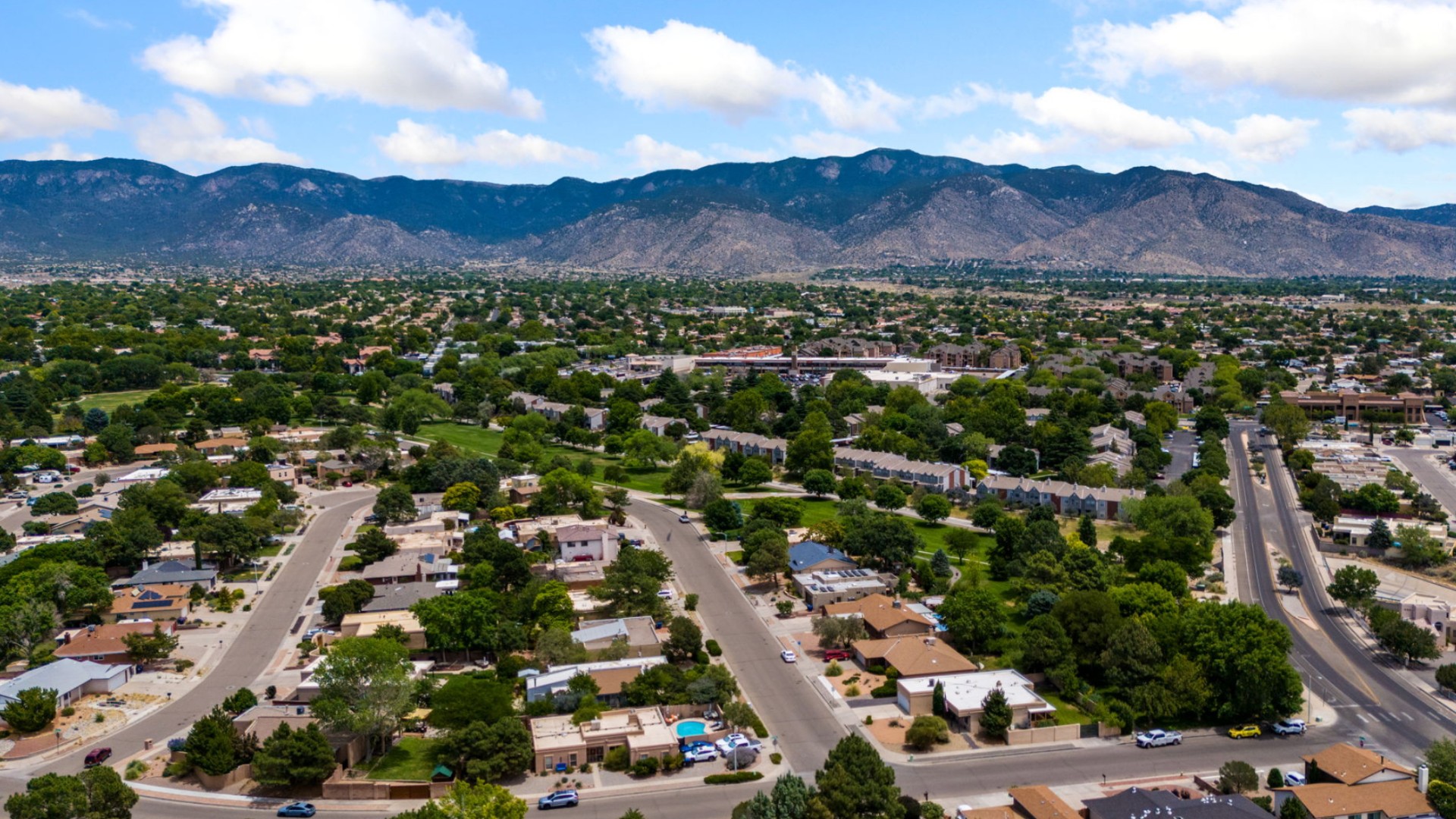
Beyond the big three, daily life in ABQ tends to be easy on a budget. Groceries skip the gross receipts tax, commutes are short by big-city standards, and much of what locals love most costs little or nothing. Hiking the Sandia foothills, biking the Paseo del Bosque Trail along the Rio Grande and catching the Balloon Fiesta from a neighborhood park are all part of the deal.
A few costs deserve a line in your budget, though. Most households need a car, since the city is spread out and transit is limited outside the main corridors. Insurance quotes also vary widely by address and home age, so get quotes early if you are buying.
Is Albuquerque Worth It for Your Budget?
For most households coming from larger Western metros, the Albuquerque cost of living works in your favor, especially on housing. You get a lower purchase price, lower rent and a tax structure that is lighter for many middle-income earners and Social Security recipients. In exchange, you will want a reliable car and a realistic plan for summer cooling.
Cost is only part of the decision. Our guide to the pros and cons of moving to Albuquerque covers jobs, weather and lifestyle in more depth.
Frequently Asked Questions
Is Albuquerque cheaper than the national average?
Yes. C2ER's March 2026 figures put the overall Albuquerque cost of living about 3% below the national average, with housing about 9% lower and utilities about 16% lower.
How much does a house cost in Albuquerque?
The metro detached median was $386,990 in Q3 2026, according to GAAR. Inside Albuquerque city limits, the median was $380,000. Prices vary widely by neighborhood, size and condition.
What is the sales tax in Albuquerque?
New Mexico charges a gross receipts tax instead of sales tax. The combined rate inside Albuquerque city limits is 7.625%, and most groceries are exempt.
Does New Mexico tax Social Security?
For most people, no. Benefits are exempt from state income tax for single filers with adjusted gross income up to $100,000 and joint filers up to $150,000.
Thinking About a Move to ABQ?
Whether you are relocating from out of state or rethinking your budget from across town, the Better with Baron team is happy to walk you through what homes cost in the areas you are considering. Reach out anytime with questions.
Data source: Greater Albuquerque Association of REALTORS® (GAAR), based on Southwest MLS data from the Q3 and September 2026 reports. Deemed reliable but not guaranteed. Updated November 12, 2026.