
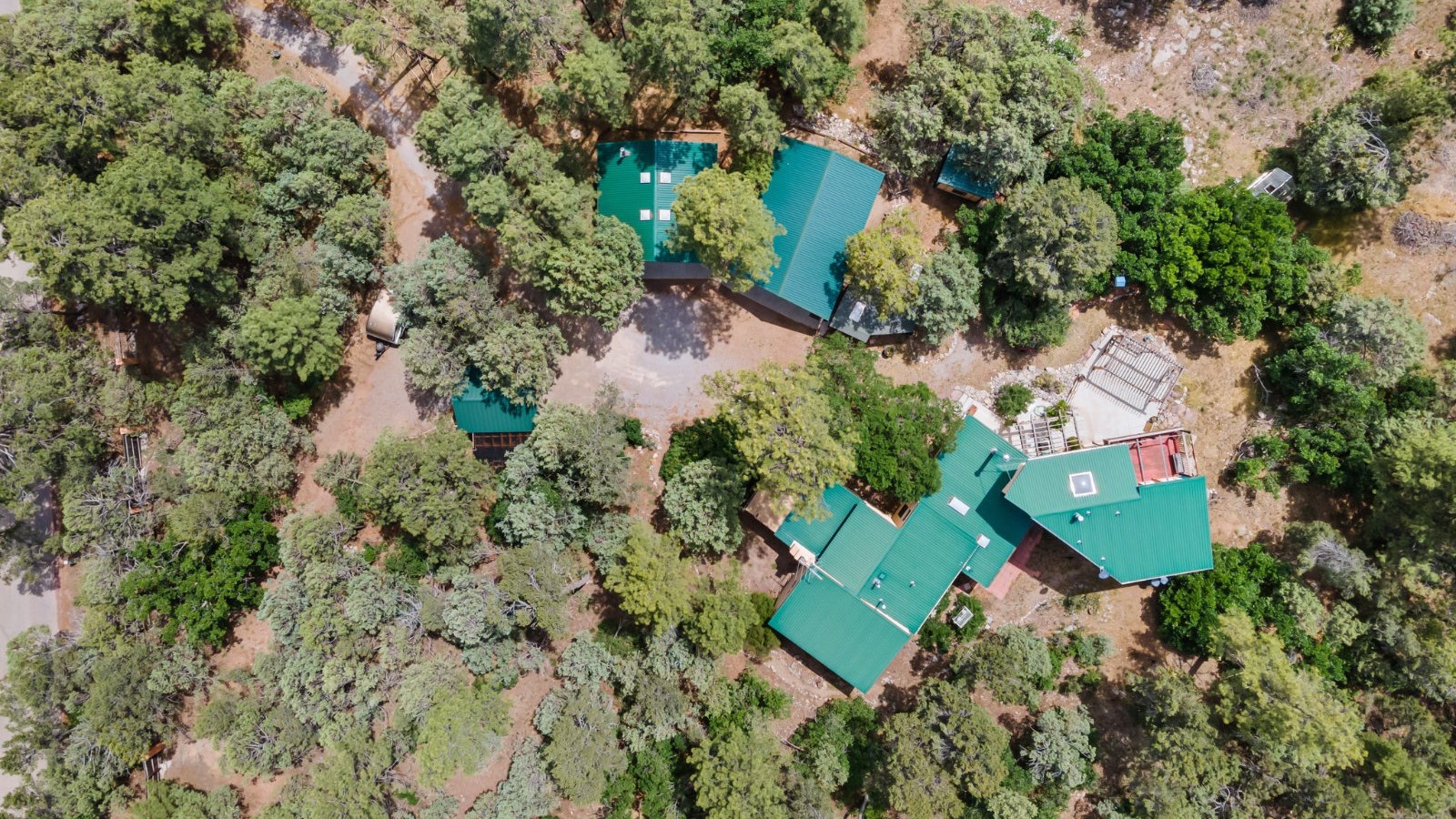
Ask five people what “the East Mountains” means, and you’ll get five different answers. For real estate purposes, it covers Tijeras, Carnuel, Cedar Crest, Sandia Park and Edgewood, the string of communities climbing into the piñon and ponderosa east of Albuquerque along I-40 and NM-14.
If you’ve started researching East Mountains Albuquerque homes, you’ve probably noticed there isn’t much written specifically about this market. That’s the gap this guide is here to fill.
The East Mountains isn’t one market. Tijeras, Cedar Crest, and Edgewood each have their own price points, lot sizes, and commute realities, and even pockets within Edgewood look different from one another. We pulled the latest numbers from the Greater Albuquerque Association of REALTORS®, so you’re working from real data, not a generic “east of the city” description.
What Living in the East Mountains Actually Feels Like
The first thing most people notice isn’t the price tag; it’s the quiet. Albuquerque sits around 5,000 feet, while the East Mountains climb to roughly 6,300 feet near Tijeras and above 7,000 feet toward Cedar Crest and Sandia Park. That elevation gain buys you cooler summers, real snow in winter, and a landscape that shifts from high desert scrub to ponderosa pine forest in about a 20-minute drive.
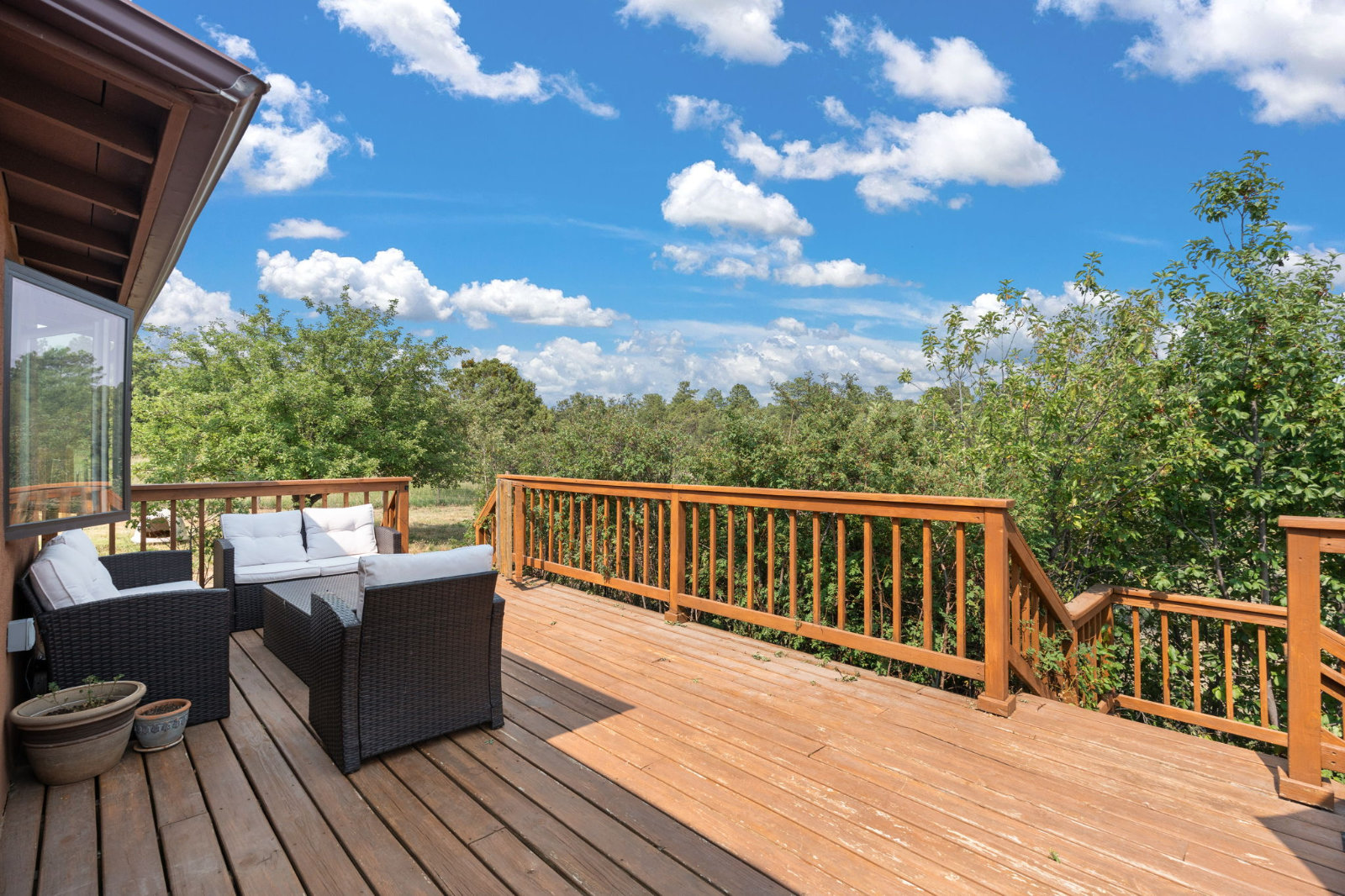
Most homes out here sit on private wells and septic systems instead of city water and sewer, and lots typically run from half an acre to several acres. That means room for a workshop, horses, a real garden, or just enough distance that you can’t see your neighbor’s porch light. Mule deer and the occasional elk wander through plenty of backyards, and on a clear night, the stars out here actually look like stars.
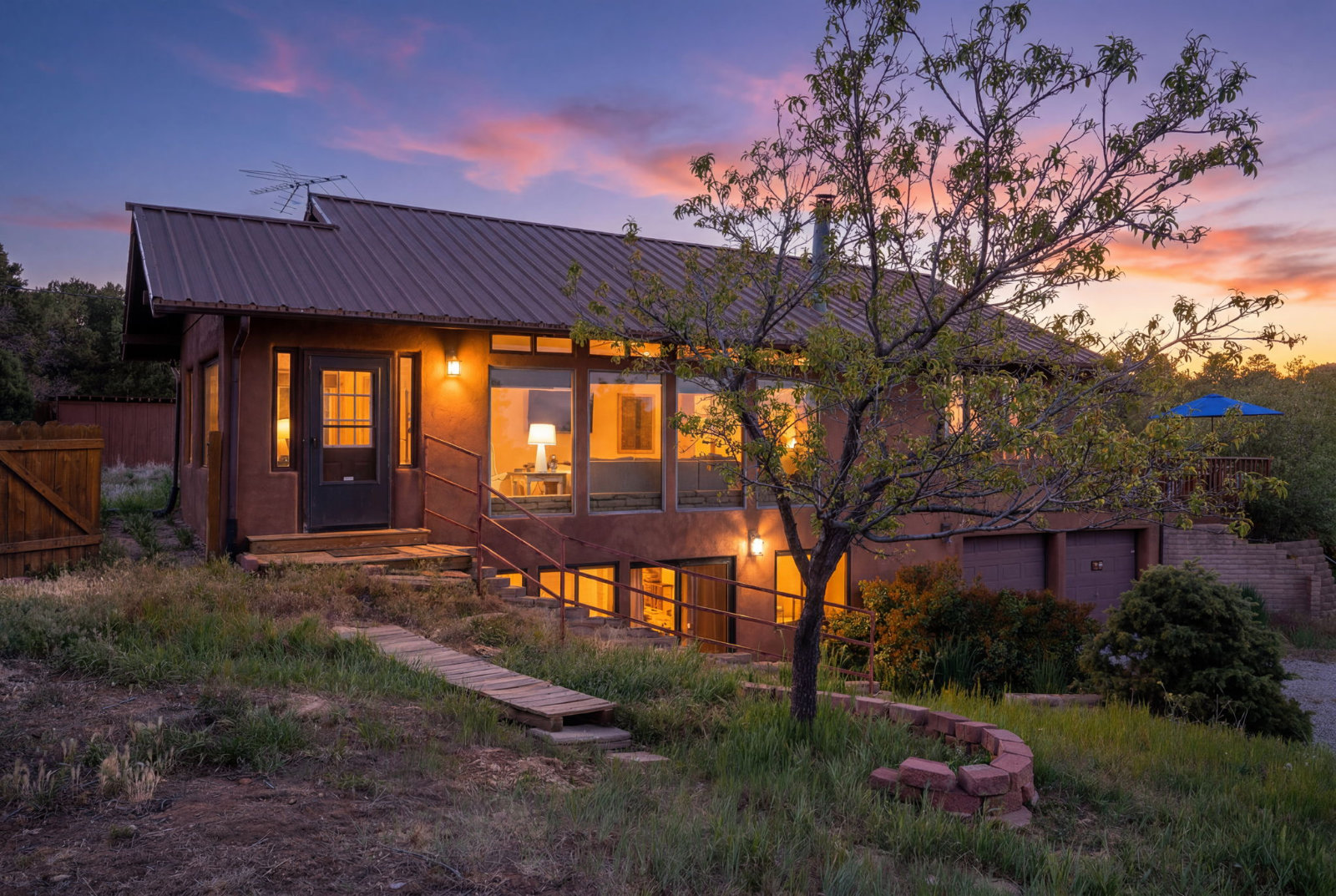
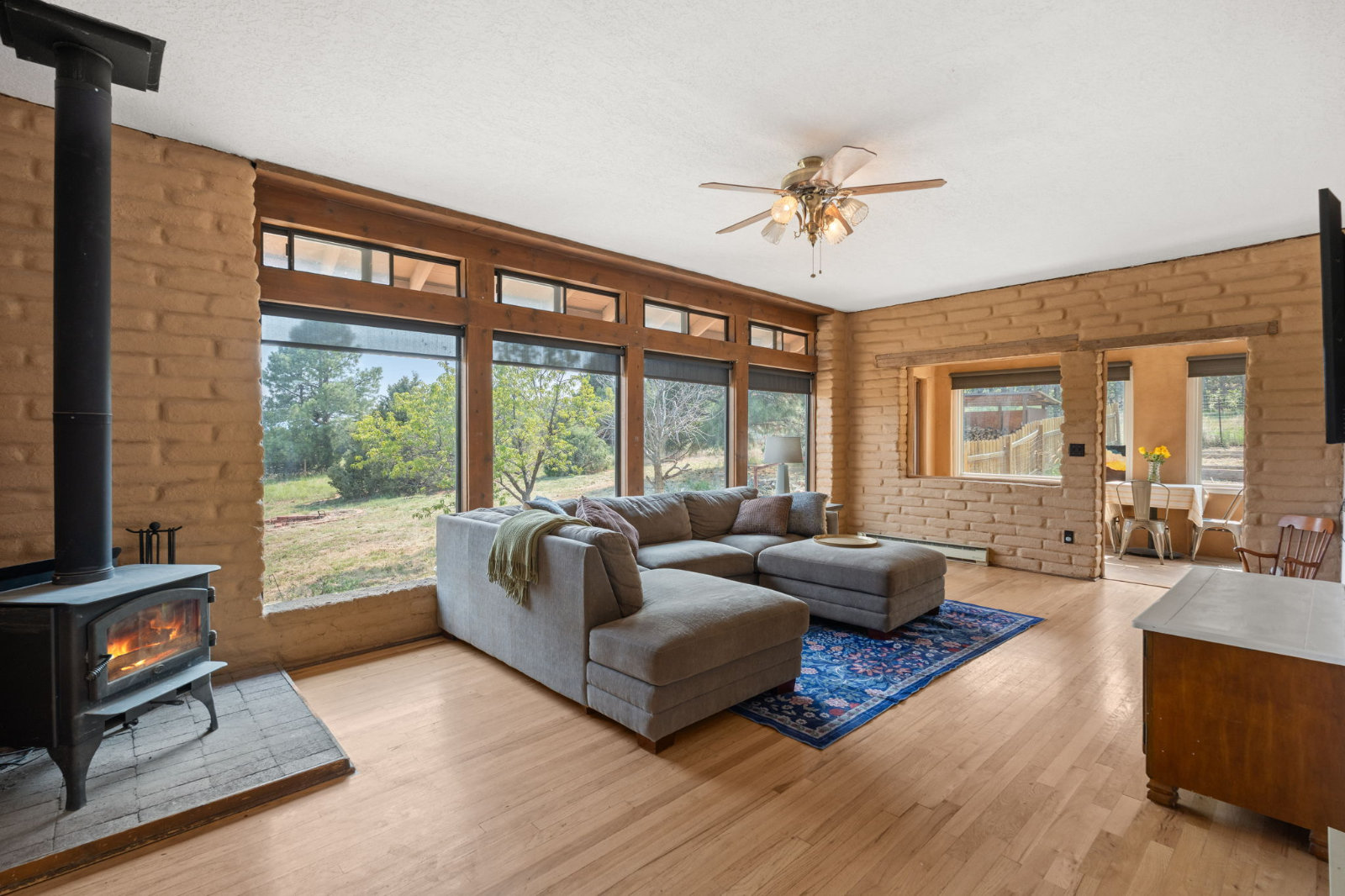
Privacy is the whole point for a lot of East Mountains buyers, and it shows up in small ways: no shared walls, no HOA dictating paint colors, and evenings quiet enough to hear the wind in the ponderosas instead of traffic. Wood heat, pitched roofs built for snow load, and volunteer fire departments are simply part of daily life out here, not an inconvenience.
Cedar Crest grew out of an early-1900s mountain retreat for Albuquerque residents escaping the summer heat, and that character still shows up in the mix of older cabins and newer custom builds. Carnuel, tucked right inside Tijeras Canyon, is the closest historic community to the city, while Edgewood and Moriarty developed more recently as commuter towns along Route 66 and I-40, with a stronger presence of newer subdivisions and small ranchettes.
Things to Do in the East Mountains
This isn’t just a place to sleep before your commute. Most residents spend as much time on a trail or a mountain road as they do at a desk, and the outdoor life here is a real draw, not a brochure line.
Hit the slopes or the trails: Sandia Peak Ski Area puts downhill skiing and snowboarding minutes from home in winter, and trails like Three Guns Spring turn into some of the best hiking and mountain biking in the metro come summer.
-
Cruise the Turquoise Trail: NM-14, the Turquoise Trail National Scenic Byway, strings together old mining towns and sweeping mountain views along one of the most scenic drives in New Mexico.
Get delightfully weird at Tinkertown: the Tinkertown Museum in Cedar Crest is a hand-carved, wildly detailed folk-art world built over decades, and it’s exactly the kind of only-here stop that becomes a regular pilgrimage once you live nearby.
Add in the fact that Carnuel, Tijeras, Cedar Crest and Sandia Park all sit within a short drive of one another along I-40 and NM-14, and a weekend out here can easily cover a hike, a scenic drive and green chile at a roadside stop without ever getting on the interstate toward town.
East Mountains Albuquerque Homes by the Numbers (Q2 2026)
According to GAAR’s Q2 2026 report, the East Mountains area posted 113 closed sales between April and June, with an average sale price of $493,849 and a median of $480,000. That’s roughly $100,000 above the average sale price for Greater Albuquerque as a whole, which reflects the larger lots and custom-built homes that dominate this market.
Break it down by community and the differences get more interesting. Here’s how the individual
East Mountains areas performed in the second quarter:
Cedar Crest and the area north of I-40: 34 homes sold at an average price of $563,861, though that average dropped nearly 16% from the same quarter last year as more moderately priced homes moved through the pipeline.
-
South of I-40, toward the Manzano foothills: 19 homes sold at an average price of $487,184, up nearly 60% year over year as larger properties changed hands.
The Village of Tijeras and Zuzax: 15 homes sold at an average of $544,467, up about 7% from last year, with a median price of $538,000.
-
NW Edgewood: 17 homes sold averaging $522,412, up nearly 14% year over year.
NE Edgewood: 20 homes sold averaging $414,765, the most active pocket of Edgewood by sales volume.
-
SE Edgewood: 6 homes sold averaging $279,833, the most affordable entry point in the East Mountains this quarter.
These swings are normal in a market this small. When only a handful of homes sell in an area each quarter, one or two custom builds can shift the average by tens of thousands of dollars, which is exactly why a hyperlocal read matters more here than in a larger Albuquerque neighborhood.
The Acreage-for-Commute Trade That Defines This Market
There's a trade-off for all that space and privacy, and every East Mountains buyer feels it on the drive home. space and privacy, and every East Mountains buyer feels it on the drive home.
Every buyer considering East Mountains Albuquerque homes is weighing the same trade-off: more land and privacy in exchange for more time on I-40. Cedar Crest and Tijeras sit closest to the city, with a commute to Uptown or Downtown Albuquerque that typically runs 20 to 30 minutes depending on traffic through Tijeras Canyon.
Edgewood, roughly 33 miles east of Albuquerque, usually runs closer to 35 to 45 minutes each way. For many buyers, that extra drive time buys noticeably more land, a newer build, or both.
That trade-off has become more attractive since remote and hybrid work took hold nationally. Real estate authorities including the National Association of REALTORS® have tracked a sustained buyer preference for larger lots and semi-rural settings among people who no longer commute five days a week, and the East Mountains is a natural beneficiary of that shift for Albuquerque-area workers.
Buying a Home With a Well and Septic System
If you’ve only ever bought or sold in-town, a well and septic system can feel like an unknown. In practice, it just means a different set of questions during your inspection period.
Before you close on an East Mountains property, plan to check:
Well flow rate and water quality: a licensed well contractor can test how many gallons per minute the well produces and screen for hardness, iron, sulfur or bacteria, which show up more often in East Mountains wells than in municipal water.
-
Septic pumping history and tank condition: ask the seller for service records and have the system inspected separately from your general home inspection.
Distance between the well and septic system: state and county regulations set minimum separation distances, so it’s worth confirming the property meets them before you’re under contract.
-
Backup power: because well pumps run on electricity, many East Mountains homeowners add a generator or battery backup so water doesn’t stop during an outage.
None of this should scare you off. Millions of homes across the country run on private wells and septic systems without issue, and once you understand how yours works, it fades into the background of everyday life.
Financing an East Mountains Home
As of late August 2026, the 30-year fixed mortgage rate averaged 6.66%, according to Freddie Mac’s Primary Mortgage Market Survey, with 15-year rates averaging 5.98%. Rates have held in a fairly narrow band through the summer, which has helped buyers plan with more confidence than in recent years.
One financing detail a lot of buyers miss: because these areas fall outside Albuquerque city limits, many East Mountains Albuquerque homes qualify for USDA Rural Development loans, which allow 0% down for eligible buyers who meet income limits. In 2026, a household of one to four can earn up to $122,800 and still qualify, with higher limits for larger households.
Not every property qualifies, since some pockets near the edges of Edgewood and Tijeras fall outside the USDA boundary, so it’s worth checking a specific address before you fall in love with it.
Because these are unique properties on acreage, appraisals here can take a little longer and benefit from an appraiser who has worked in the East Mountains before. Working with a lender who understands rural, well and septic properties helps prevent surprises during underwriting.
Schools in the East Mountains
Tijeras and Cedar Crest fall within Albuquerque Public Schools, with A. Montoya Elementary and San Antonito Elementary feed into Roosevelt Middle School in Tijeras. Many East Mountains families also choose East Mountain High School, a college-preparatory charter school in Sandia Park serving grades 9 through 12.
Edgewood is primarily served by Moriarty-Edgewood School District. School and charter boundaries can shift by street out here, so it’s always worth confirming the assignment for a specific address before you buy.
Is the East Mountains Right for You?
If you want space, privacy and a shorter drive to a trailhead than to a grocery store, the East Mountains is worth a serious look. If you’re not ready to manage a well, a septic system or a longer commute, an in-town Albuquerque neighborhood may be the better fit, and that’s a perfectly reasonable call.
If you already own here, the same small-sample nature of this market that makes pricing tricky for buyers can work in your favor with the right strategy. A well-priced, well-marketed listing in a lower-inventory pocket like SE Edgewood or Zuzax Tijeras can generate real competition among the handful of active buyers watching that area.
Whether you’re buying or selling, the data behind East Mountains Albuquerque homes tells a different story block by block, and that’s exactly why a hyperlocal approach beats a one-size-fits-all view of “east of the city.”
Ready to take the next step? Contact us to get started!