Getting a home inspection in Albuquerque is one of the most important steps in any real estate transaction, whether you’re buying or selling. For buyers, it’s your clearest look at the true condition of the home before you commit. For sellers, understanding what an inspector looks for and what commonly comes up in Albuquerque homes specifically helps you avoid surprises that can derail a deal at the worst possible moment.
Knowing what to expect before that report lands in your inbox makes the whole process a lot easier to navigate. Many buyers open a 60-page inspection report and feel their stomachs drop. Most of the time, that reaction is more about the format than the findings. A thorough inspection report is normal. It doesn’t mean the home is falling apart; it means the inspector did their job.
This guide walks you through the full home inspection process in Albuquerque, including what makes local homes unique, what the report actually means, and how buyers and sellers should respond.
What Is a Home Inspection and Why Does It Matter?
A home inspection is a visual evaluation of a property’s major systems and components, conducted by a licensed inspector before the sale closes. In New Mexico, all home inspectors must be licensed through the New Mexico Regulation and Licensing Department (NMRLD). Always verify credentials before booking.
The inspector’s job is to document what they observe and flag anything that warrants attention. They are not there to pass or fail your home. A standard inspection covers:
- Roof and attic: condition, drainage, and visible structural elements
- Foundation and structure: settling, cracking, and load-bearing components
- Electrical system: panel condition, wiring, outlets, and GFCI placement
- Plumbing: supply lines, drains, water pressure, and visible leaks
- HVAC: heating and cooling systems, including evaporative coolers where applicable
- Windows and doors: operation, sealing, and weatherproofing
- Built-in appliances: function and condition at time of inspection
What comes back in the report is a detailed snapshot of the home’s condition on the day of the inspection, not a pass/fail grade.
Under the standard New Mexico purchase agreement, buyers typically have around 10 days after contract acceptance to complete inspections. That window moves quickly, so having an inspector lined up before going under contract is a smart move.
How Much Does a Home Inspection in Albuquerque Cost?
For most Albuquerque homes, a standard general inspection runs between $270 and $490, depending on the property’s size. A home under 2,000 square feet typically falls in the $270 to $380 range. Larger homes from 2,000 to 4,000 square feet generally run $380 to $490. Homes above 4,000 square feet can reach $620 or more.
Beyond the general inspection, buyers often add specialized tests that are especially relevant in New Mexico. Radon testing typically costs around $150 when added to a general inspection. A termite and dry rot inspection is often bundled into the standard fee. A sewer scope, which runs a camera through the main line to check for blockages or damage, usually adds $100 to $200.
Additional Inspections Worth Considering in Albuquerque
- Radon test: New Mexico has elevated radon levels in many areas; testing is inexpensive, and mitigation, if needed, typically runs $800 to $2,500
- Sewer scope: especially important for older homes where root intrusion or deteriorated pipes are more common
- Roof inspection by a licensed roofer: general inspectors assess roofs visually; a dedicated roofing contractor gets on the roof and evaluates actual condition, typically $150 to $250
- HVAC evaluation: having the heating and cooling systems looked at by a qualified technician beyond the general inspection is worthwhile, especially with swamp coolers and older units
Understanding what system a home has and its condition helps buyers plan accordingly. For a full breakdown of what to budget between offer and closing day, see our Closing Costs in Albuquerque: What Buyers Should Budget.
What Happens During the Inspection
A standard home inspection in Albuquerque takes two to three hours for most homes, longer for larger or older properties with more complex systems. Buyers are strongly encouraged to attend. Walking through with the inspector in real time gives you far more context than reading the report alone later.
The inspector will move methodically through the property, checking each system and component, taking photos, and making notes. They’ll look at things you may not have thought to check during showings, like the attic, crawl spaces, the condition of the electrical panel, water pressure, how well the roof drains, and whether HVAC systems are actually functioning.
After the inspection, you’ll receive a written report, usually within 24 hours, that includes photos and descriptions of every finding. Items are typically categorized by severity — safety concerns, items needing repair, and maintenance recommendations. Reading the report carefully and asking your agent to help you sort through it is an important next step.
What Makes Albuquerque Home Inspections Different
This is where local knowledge becomes genuinely valuable. Albuquerque homes have a distinct set of systems and construction styles that don’t show up in most general home inspection guides. If your inspector isn’t familiar with the local housing stock, there are things that can get missed or misread.
Here’s what comes up most often in Albuquerque inspections and what to know about each one.
Flat and Low-Slope Roofs
Flat and low-slope roofs are common throughout Albuquerque, particularly in older homes, historic neighborhoods, and properties with Southwestern architecture. They have a life expectancy of roughly 20 to 25 years and require specific maintenance to stay watertight. Inspectors will focus on:
- Membrane condition: deterioration, blistering, or patching that signals age or past leaks
- Canales (scuppers): the drainage spouts that direct water off the roof; blocked or missing canales cause ponding
- Standing water evidence: staining or sagging that indicates drainage isn’t working
- Parapet walls: the low walls at the roof edge, which can crack and allow water behind the stucco
For homes with flat roofs, it’s worth hiring a dedicated roofing contractor separately from the general inspection. A general inspector does a visual assessment. A roofer gets on the roof and gives you a real condition report, which matters a lot when you’re trying to price repairs accurately.
Evaporative Coolers (Swamp Coolers)
Evaporative coolers are the dominant cooling system in many older Albuquerque homes and work well in our dry climate. During the inspection, the inspector will evaluate:
- Unit operation: whether the cooler runs, cycles correctly, and moves adequate airflow
- Pad condition: worn or mineralized pads reduce efficiency and are a sign of deferred maintenance
- Roof penetration: roof-mounted units can cause damage around the curb mount over time
- Ducting: whether connections are sealed and intact
A full evaporative cooler replacement runs $1,500 to $3,500 installed. Converting to refrigerated air is a separate conversation. Full HVAC conversions in Albuquerque typically run $8,000 to $15,000, depending on home size.
Stucco Exteriors
Stucco is standard across Albuquerque’s housing stock and generally performs well in our climate. Not all cracks are equal, and inspectors will distinguish between:
- Hairline cracking: common and expected as stucco ages; typically cosmetic
- Step-pattern or wide cracks: can signal foundation settlement or water intrusion and warrant closer evaluation
- Window and door surrounds: improper sealing in these areas is one of the most common sources of moisture problems in Albuquerque homes
Adobe Construction
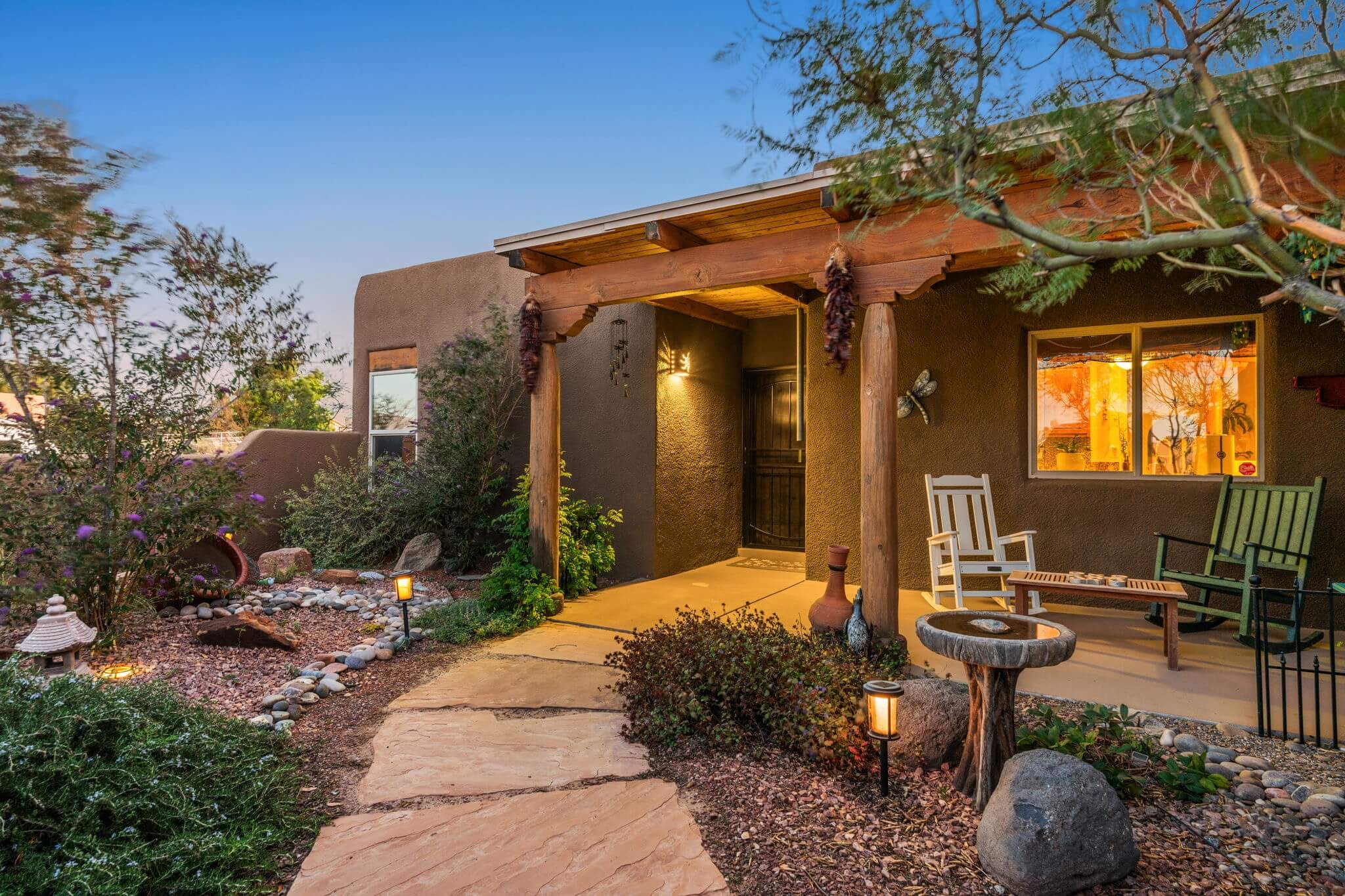
Adobe homes, found throughout the South Valley, Old Town, and historic neighborhoods, require inspectors who understand the material. Key areas of focus include:
- Viga ends: the wooden roof beams that penetrate exterior walls; where wood meets adobe or stucco, sealants dry and crack over time, creating a path for water intrusion
- Wall condition: adobe is durable but vulnerable to sustained moisture; inspectors look for soft spots, erosion, or efflorescence
- Viga replacement cost: expensive and complicated, so the condition at the time of inspection matters significantly
If you’re considering a home in one of Albuquerque’s historic neighborhoods, our post on Albuquerque Historic Neighborhoods: What Buyers Need to Know covers what to understand about older construction before you make an offer.
In-Floor Duct Systems
Some Albuquerque homes, particularly those built in certain eras, have ductwork running beneath the floor slab rather than through walls or the attic. Inspectors will check for:
- Disconnected ducts: a surprisingly common finding that directly impacts HVAC efficiency
- Debris or moisture accumulation: ducts below grade are vulnerable to both, which affects air quality
- Condition of accessible register boots: entry points where the duct meets the floor; damaged boots allow conditioned air to escape into the slab
Radon
Radon is a naturally occurring gas that can accumulate in homes depending on local soil conditions. New Mexico has areas of elevated radon risk, and Albuquerque is not exempt. Key facts:
- Testing is simple and inexpensive: typically $150 or less when added to a general inspection
- Mitigation, if needed: runs $800 to $2,500 a manageable cost when caught early, and a serious oversight when it isn’t
- Ask for it proactively: radon testing isn’t always included by default; request it when you book your inspection
How Buyers Should Respond to the Inspection Report
This is where a lot of Transactions Get Unnecessarily Complicated
After the inspection, buyers have a defined period under the New Mexico purchase agreement to review findings and submit a written request for repairs, credits, or a combination of both. The seller then responds by agreeing, countering, or declining.
Not every item in the report is worth negotiating. Safety concerns and major system failures are reasonable to address. Routine maintenance items, cosmetic wear, and things the buyer observed before making an offer generally are not strong negotiation points. Your agent’s job is to help you prioritize what to ask for and frame the request in a way that moves the deal forward rather than derails it.
Items That Are Typically Worth Requesting
- Safety hazards: exposed wiring, missing GFCI outlets in bathrooms and kitchens, gas leaks, and CO concerns
- Active water intrusion: roof leaks, plumbing failures, or moisture in the structure
- HVAC systems that aren’t functioning: not aging systems, but systems that currently don’t work
- Major structural concerns: foundation cracks that indicate settlement, failing support elements
- Failed or end-of-life roofing: especially relevant for flat roofs past their service life
Items That Are Generally Not Worth Fighting Over
- Minor stucco cracking that is cosmetic and typical of the home’s age
- Deferred maintenance, the buyer was aware of before making an offer
- Older but functional appliances or systems that are still operating
- Maintenance recommendations that are future-looking, not current failures
How Sellers Should Prepare for a Home Inspection
If you’re listing your home, the inspection is not something that happens to you; it’s something you can prepare for.
Sellers who walk into the inspection period with their home in good shape and their known issues already addressed are in a much stronger negotiating position.
One of the most effective moves a seller can make is scheduling a pre-listing inspection. Knowing what’s there before a buyer’s inspector finds it gives you the ability to repair issues on your terms, disclose them upfront and price accordingly, or simply be prepared to negotiate from a position of knowledge rather than surprise.
Simple Pre-Inspection Steps for Sellers
- Replace any burned-out light bulbs: inspectors note non-functioning fixtures, and buyers wonder what else isn’t working.
- Make sure all utilities are on: inspectors need to test electrical, plumbing, and HVAC systems
- Clear access to the attic, electrical panel, and water heater: blocked access raises flags and slows the inspection down.
- Replace HVAC filters: a dirty filter signals lack of maintenance; it’s a $15 fix that matters
- Fix obvious minor items: leaky faucets, sticky doors, missing outlet covers, and loose railings are small fixes that keep the report shorter
- Service the swamp cooler if it’s in use: pads, water distribution, and operational checks before the inspector arrives

What the Inspection Doesn’t Cover
A standard general inspection is a visual assessment. The inspector is not pulling permits, testing behind walls, running the sewer line, or doing a full structural engineering evaluation. There are things a general inspection simply cannot see.
That’s why the additional inspections mentioned earlier exist: radon, sewer scope, dedicated roofing evaluation, and HVAC specialist. A buyer who skips those add-ons to save a few hundred dollars is sometimes surprised by a repair that costs tens of thousands after closing. The inspection process is not the place to cut corners.
If you’re buying a home and want to understand all the costs that come between accepted offer and closing day, our Closing Costs in Albuquerque: Buyer Guide 2026 breaks everything down clearly.
New Construction Isn’t Exempt
A common misconception among buyers of new-build homes is that a brand-new property doesn’t need an inspection. It does. New construction inspections in Albuquerque regularly turn up disconnected ductwork, missing insulation, grading problems at the foundation, and improper venting items that get missed in builder walkthroughs and are much easier to address before you move in.
If you’re weighing a new build versus a resale home, our post on Albuquerque New Build Homes: New vs. Resale covers the tradeoffs in detail.
Ready to Take the Next Step?
Whether you’re buying your first home or selling one you’ve lived in for years, the inspection process is one of the most important parts of getting the transaction right. Having an experienced local agent in your corner, one who knows what comes up in Albuquerque homes and how to respond when it does, makes a real difference.
Ready to take the next step? Contact us to get started!